At its core, the project focuses on three main goals:
- Food Independence – The program helps people become more self-reliant by growing their own food instead of depending entirely on grocery stores or the industrial food system.
- Community Building – Participants are encouraged to share seeds and harvests, helping neighborhoods build stronger support systems and food networks.
- Sustainability – By using non‑GMO and often organic seeds, the project supports environmentally friendly gardening and biodiversity.
Since launching, the program has already provided seed packs to tens of thousands of people across the United States, focusing especially on those with limited access to healthy food.
👉 Learn more directly from the source: Visit the Free Seed Project page
What Do You Get From the Free Seed Project?
When you receive a Free Seed Project pack, it’s more than just a few seeds—it’s a full starter kit for growing your own food.
🌱 What’s Inside the Seed Pack
According to the official FAQ and program details, each pack includes:
- Around 20 different types of seeds
- A mix of:
- Vegetables
- Herbs
- Leafy greens
- Pollinator-friendly flowers
🪴 Planting Capacity
- Enough seeds to grow two 4’ x 8’ garden beds
- Potential to produce hundreds of dollars worth of food
📘 Bonus Resources on World Trust Media Network
- Gardening guides
- Instructions for growing food
- Seed-saving education (to grow more food year after year)
✅ Seed Quality
- Non‑GMO seeds only
- Many varieties are open-pollinated
- Roughly half are organic depending on availability
How To Get Free Seeds (Step by Step)
Getting seeds from the Free Seed Project—or similar programs—depends on availability, eligibility, and timing.
⚠️ Important Update
The official program states that:
- Free seed packs are currently paused indefinitely [robingreenfield.org]
However, you can still use their resources and explore alternative free seed sources.
✅ Option 1: Check the Official Project Page
What to do:
- Monitor updates for when distribution resumes
- Explore their free guides and resources
✅ Option 2: Use Free Seed Libraries (Best Alternative)
Many communities now offer seed libraries, where you can get seeds at no cost.
👉 Find a seed library near you [thebrightgarden.com]
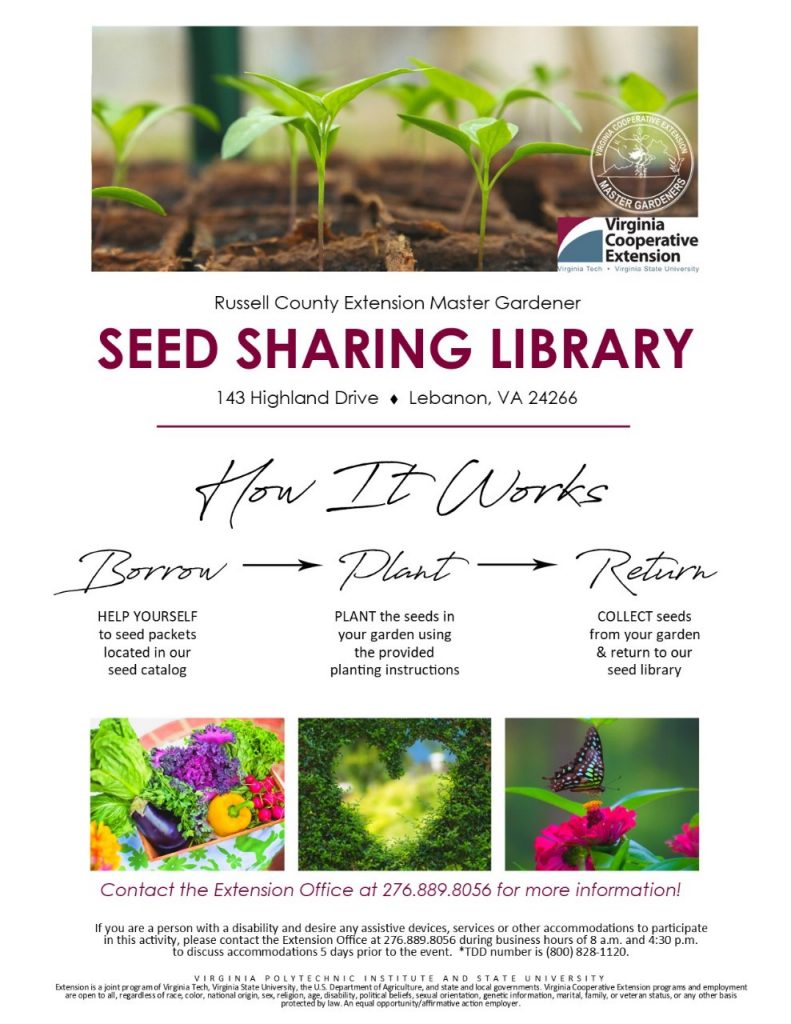
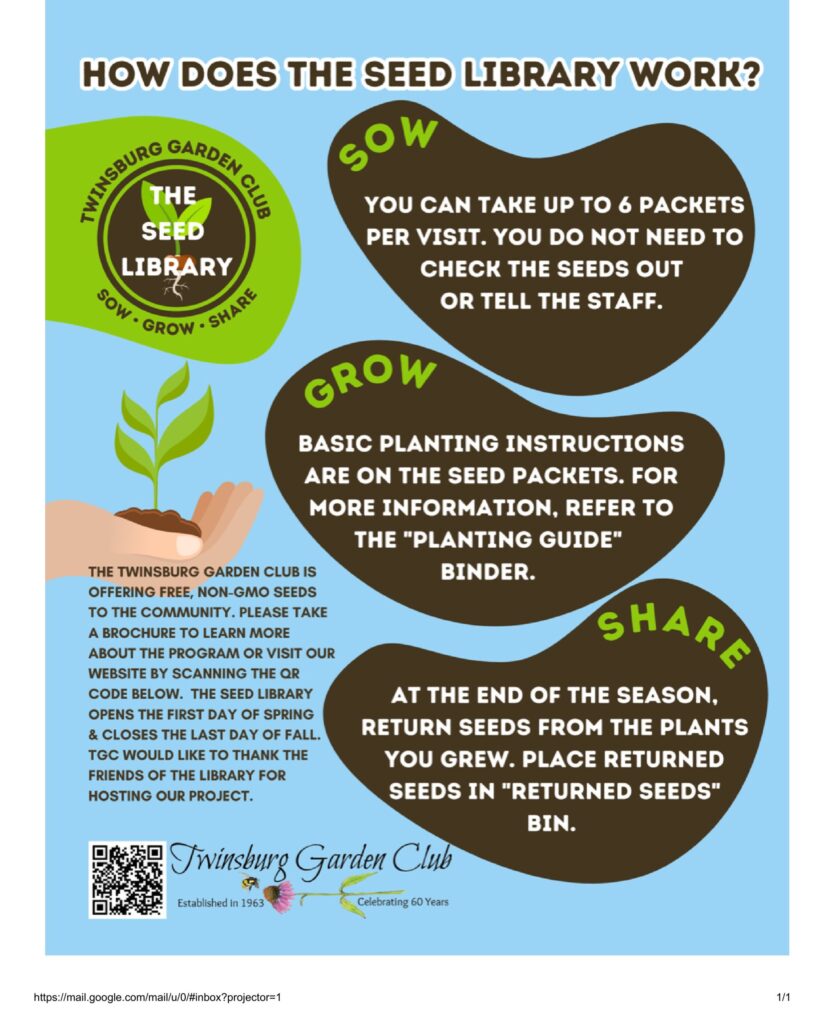
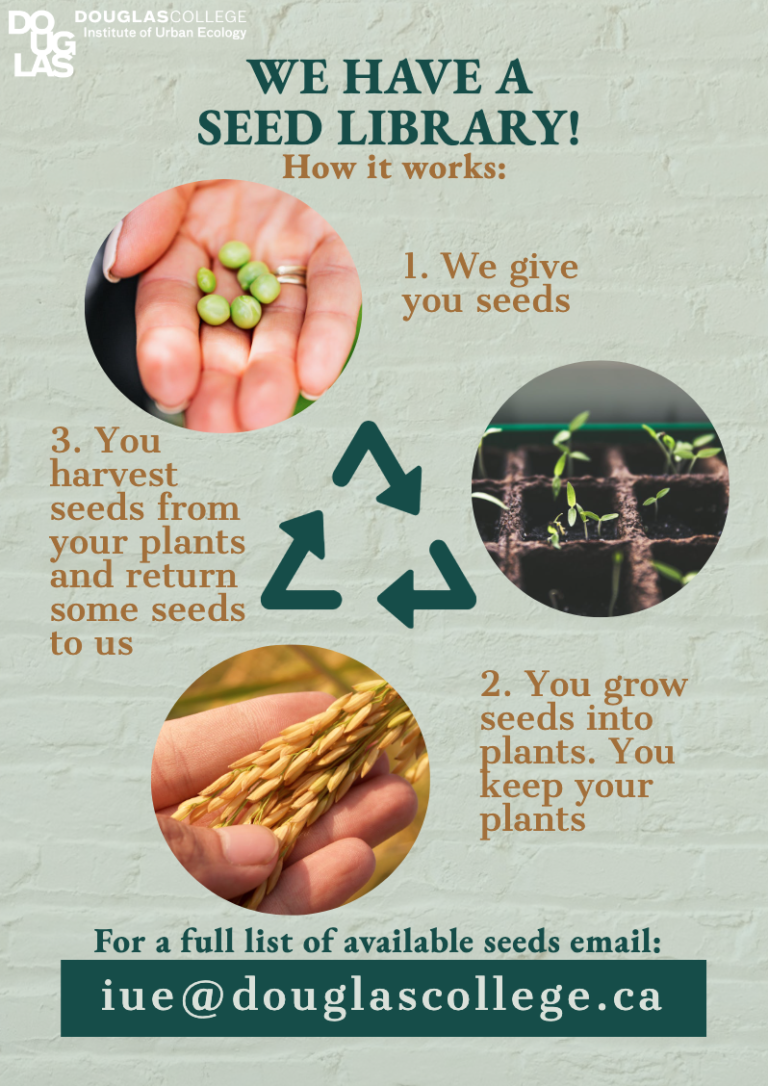
How they work:
- Visit a local library or seed exchange
- Choose available seeds
- Grow your plants
- Optionally return seeds after harvest
Seed libraries are expanding rapidly and are designed to:
- Promote food security
- Support home gardening
- Encourage community sharing [frugalgardening.com]
✅ Option 3: Request Seeds Online
Another active program:
👉 Request free heirloom seeds [freeheirlo…mseeds.org]
Key details:
- Open to U.S. residents
- Donations optional
- You may receive small sample seed packs
- Requests must follow their listed guidelines [freeheirlo…mseeds.org]
✅ Option 4: Local & Government Programs
Other ways to get free seeds include:
- Community garden initiatives
- Local agricultural extension programs
- Library seed programs
- Gardening workshops
These programs often provide free seeds to encourage local food production and sustainability. [positivebloom.com]
🌟 The Free Seed Project program is currently paused but we still have multiple ways to get free seeds today:
✔ Seed libraries
✔ Nonprofit seed programs
✔ Community gardens
✔ Online seed giveaways